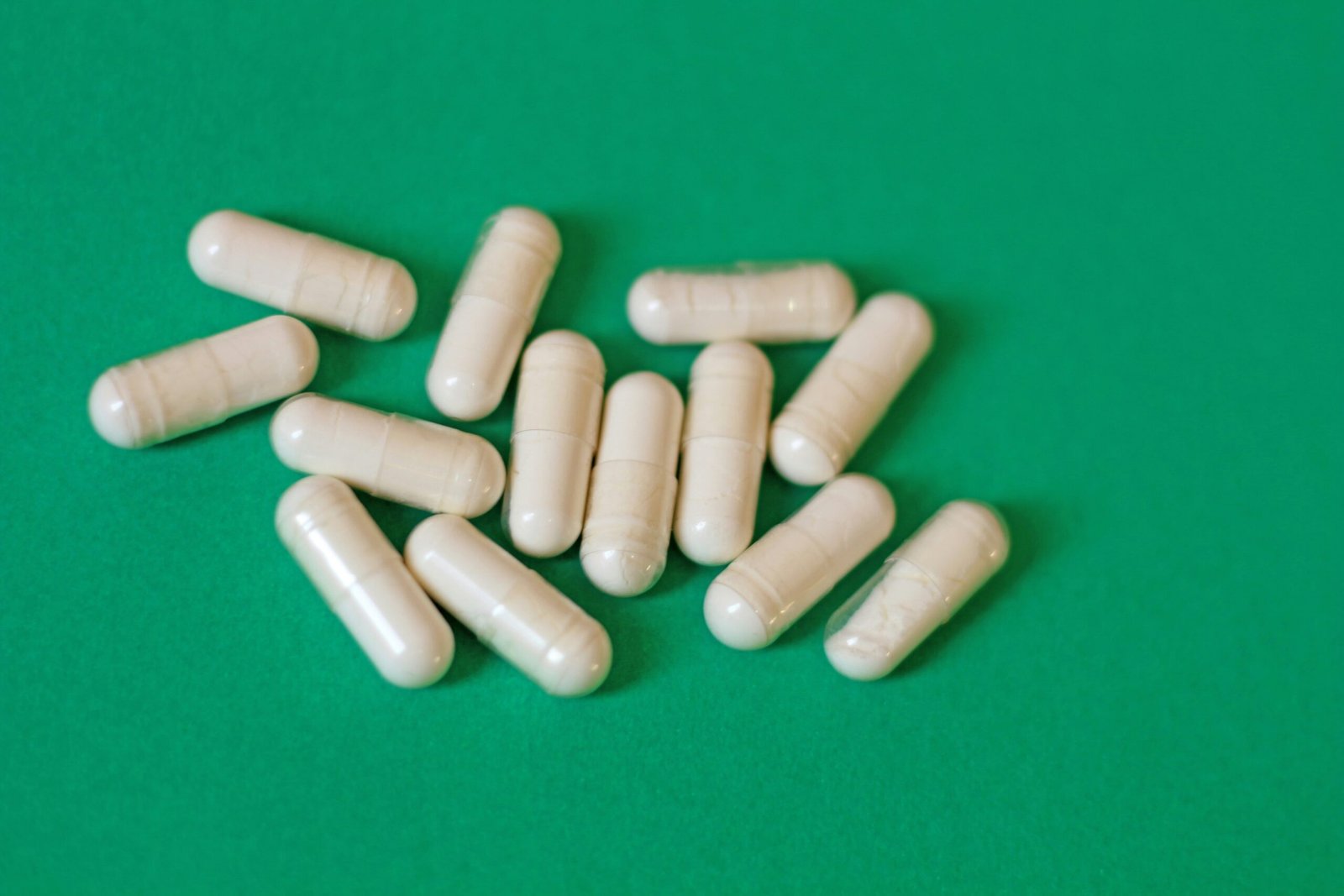
Ever felt like your body is betraying you during “that time of the month”? Cramps, bloating, mood swings—you name it, PMS probably serves it up on a silver platter. But what if there was something natural that could dial down the chaos? Enter red clover, the unsung hero you’re about to meet.
In this article, we’re diving deep into how red clover can help with PMS symptom relief. From understanding its science-backed benefits to tips for incorporating it into your routine, you’ll learn exactly why this little plant might be worth your attention. Let’s get to it!
Table of Contents
- Key Takeaways
- What Is PMS and How Can Red Clover Help?
- How Does Red Clover Work for PMS Symptom Relief?
- Tips for Using Red Clover Safely and Effectively
- Real Stories: Who Benefits From Red Clover?
- Frequently Asked Questions About Red Clover
Key Takeaways
- Red clover contains compounds called isoflavones, which mimic estrogen and may alleviate common PMS symptoms.
- This herbal remedy has been studied for its potential anti-inflammatory properties and hormonal balancing effects.
- Safe usage requires caution—don’t overdo it without consulting a healthcare provider first.
What Is PMS and How Can Red Clover Help?
Ah, premenstrual syndrome (PMS)—the bane of many lives. According to research, around 90% of women experience some form of PMS, ranging from mild irritability to debilitating physical pain. And while hot baths and chocolate are great band-aids, they don’t address the root cause.
That’s where red clover comes in. This flowering herb grows wild in meadows worldwide and has long been used in traditional medicine to support women’s health. Confession: I once shrugged off a friend’s suggestion to try red clover because, well, plants? Really? Turns out, she was onto something big.
“This strategy is chef’s kiss for anyone tired of Googling ‘natural remedies for PMS.'” —Anonymous Herbalist
How Does Red Clover Work for PMS Symptom Relief?
Here’s the deal: Red clover is packed with phytoestrogens, plant-derived compounds that behave similarly to estrogen in the body. During PMS, fluctuating hormones often wreak havoc, causing everything from cramps to cravings. Phytoestrogens step in to stabilize those levels—kind of like a chillest wingman at a chaotic party.
Optimist You: “So all I need is a cup of red clover tea?”
Grumpy You: “Ugh, sure thing… but only if coffee shops start serving it.”
Science Check: One study found that isoflavones in red clover reduced menstrual discomfort by targeting inflammation pathways. Another highlighted improvements in mood swings and fatigue. Pretty legit, huh?
Tips for Using Red Clover Safely and Effectively
Now, before you sprint to stockpile supplements, let’s talk practical tips:
- Start Small: Try one cup of red clover tea daily or add a few drops of tincture to water.
- Pick Quality Products: Look for organic options free from additives.
- Monitor Your Body: Keep track of changes. If symptoms worsen instead of improving, listen to your gut—and call a doctor.
Terrible Tip Disclaimer: Don’t go rogue and consume red clover in mega-doses thinking more = better. Spoiler alert: It doesn’t work like that. Overdoing it can actually mess with hormone balance further.
Real Stories: Who Benefits From Red Clover?
Let me introduce Sarah (*not her real name, obviously*). She struggled with debilitating cramps every month until she stumbled upon red clover. Within weeks, her pain decreased significantly enough to join yoga classes. “It’s life-changing,” she gushed in our group chat.
Another case report involved Claire, a busy professional who battled severe mood swings. After incorporating red clover capsules, she reported feeling calmer and more balanced throughout her cycle. Coincidence? Science says otherwise.
Frequently Asked Questions About Red Clover
Q: Can men benefit from red clover too?
A: Absolutely! While it’s most popular among women, red clover’s anti-inflammatory properties make it beneficial for heart health and skin conditions in men as well.
Q: Are there side effects?
A: Most folks tolerate red clover well, but rare cases include headaches or nausea. Always patch-test new remedies under professional supervision.
Q: Will it interfere with my birth control pills?
A: Good question! Some studies suggest phytoestrogens might interact with hormonal medications. Play it safe and consult your doc.
Conclusion
There you have it—red clover isn’t just another passing wellness trend; it’s backed by history, tradition, and modern science alike. Whether brewed into tea, taken as a supplement, or sprinkled as dried powder, it holds serious promise for PMS symptom relief.
But hey, remember: No magical cure works overnight. Be patient, stay consistent, and prioritize listening to your body. And if red clover turns out not to be your jam, no sweat—there’s always another herbal elixir waiting to be discovered.
Like a Tamagotchi, your hormonal health needs daily care. 😊✨