“Tired of night sweats and mood swings making you feel like a stranger in your own body? Yeah, us too.”
Navigating menopause is no walk in the park—especially when it comes to managing fluctuating hormones. Many women turn to synthetic solutions, but what if nature had something better tucked away in its botanical arsenal? Enter red clover, a humble yet powerful herb that’s gaining attention as a natural remedy for menopause hormone help.
In this post, we’ll break down how red clover might just be the missing piece in your wellness puzzle. You’ll learn the science behind it, practical steps to incorporate it into your routine, expert tips, and even a little rant about why I’m over “detox teas.” Let’s dive in.
Table of Contents
- Why Red Clover for Menopause Hormone Help?
- How to Use Red Clover Safely and Effectively
- Tips for Maximizing Benefits
- Real-Life Success Stories with Red Clover
- Frequently Asked Questions About Red Clover
Key Takeaways
- Red clover contains phytoestrogens that mimic estrogen, offering potential relief for symptoms of menopause.
- It’s important to consult a healthcare provider before adding supplements to your regimen.
- Consistent use combined with lifestyle changes can amplify results.
Why Red Clover for Menopause Hormone Help?
Let me paint you a picture. Imagine waking up drenched in sweat at 3 a.m., only to spend the rest of the day battling irritability and brain fog. That was my life during perimenopause—until I stumbled upon red clover by accident. A friend handed me a box of tea bags labeled “miracle worker,” and desperate times called for desperate measures. Spoiler alert: it wasn’t magic, but it felt pretty close.
Red clover (Trifolium pratense) is a flowering plant rich in isoflavones, which are plant compounds known as phytoestrogens. These compounds act similarly to human estrogen, helping balance hormone levels naturally. Research suggests that red clover may alleviate common symptoms like hot flashes, insomnia, and mood swings—all without the side effects often associated with hormone replacement therapy (HRT).
The Science Behind It
One study published in Gynecological Endocrinology found that women who consumed red clover extract experienced fewer hot flashes and improved sleep quality. The key players here are biochanin A, formononetin, daidzein, and genistein—the four main isoflavones in red clover. Together, they work like a dream team for hormonal harmony.

How to Use Red Clover Safely and Effectively
Step 1: Choose Your Form Wisely
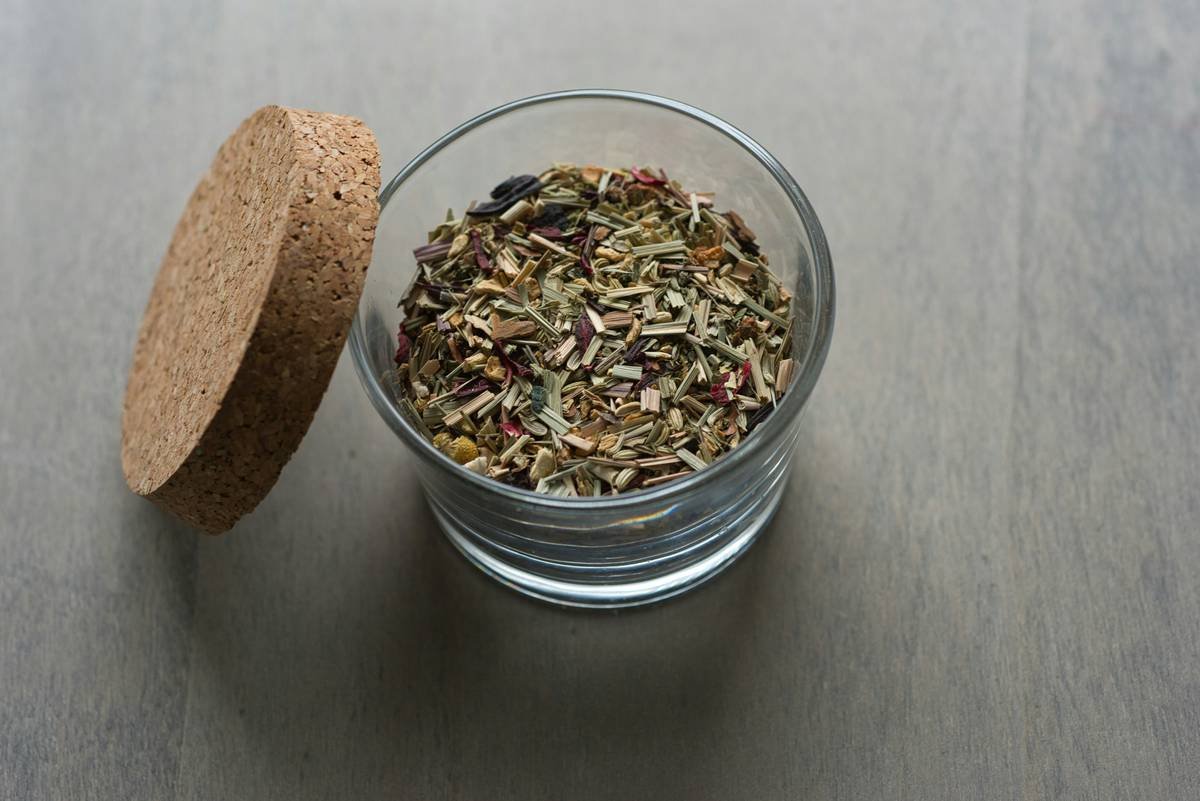
Red clover comes in various forms, including teas, capsules, tinctures, and dried herbs. If you’re new to it, start with tea—it’s gentle, easy to prepare, and perfect for skeptics. Optimist You says, “This could change everything!” Grumpy You replies, “Fine, but not every leafy thing is a cure-all.” Fair point. Start slow and observe how your body responds.
Step 2: Follow Recommended Dosage Guidelines
A typical dosage ranges from 40-80 mg of standardized isoflavone extract daily. However, always check with your doctor first, especially if you have underlying health conditions or take medications. This isn’t negotiable—your liver will thank you later.
Step 3: Be Consistent
Like any supplement, consistency is key. Don’t expect overnight miracles; give it at least two weeks to see noticeable improvements. Pair it with other healthy habits, such as staying hydrated and eating nutrient-dense foods.
Tips for Maximizing Benefits
- Combine with Exercise: Regular physical activity boosts circulation, aiding nutrient absorption. Plus, sweating it out reduces stress—a win-win!
- Avoid Processed Soy Products: While soy also contains phytoestrogens, overly processed versions can interfere with red clover’s benefits. Stick to whole food sources instead.
- Monitor Side Effects: Although generally safe, some people report mild nausea or headaches. If these occur, scale back your intake or discontinue use.
- Pair with Mindfulness Practices: Meditation or deep breathing exercises can enhance emotional well-being, complementing red clover’s hormone-balancing effects.
Real-Life Success Stories with Red Clover
Jane, a 52-year-old yoga instructor, swore off HRT after experiencing uncomfortable side effects. She discovered red clover tea during a wellness retreat and hasn’t looked back since. “My nights are finally peaceful again,” she shares. “Hot flashes? Barely remember them anymore.”
Another success story involves Sarah, a busy mom juggling work and family responsibilities. Her energy levels skyrocketed after incorporating red clover capsules into her morning routine. “I feel more grounded and less… frazzled,” she laughs. These anecdotes aren’t anomalies—they reflect the growing interest in holistic approaches to menopause management.
Frequently Asked Questions About Red Clover
Q: Can red clover interact with medications?
Absolutely. Anticoagulants, birth control pills, and thyroid medications are among those requiring caution due to possible interactions. Always consult your physician first.
Q: What’s a common misconception about red clover?
People often think all herbal remedies are safe because they’re “natural.” Wrong! Even plants can cause harm if misused or taken excessively. Treat red clover with respect.
Q: Is there a terrible tip floating around about red clover?
Oh, where do I begin? One TikTok trend suggested drinking excessive amounts of red clover tea to “speed up” results. Please don’t. Moderation is crucial—overdoing it can lead to adverse reactions like digestive upset.
Conclusion
Managing menopause doesn’t have to mean surrendering to discomfort or relying solely on pharmaceutical interventions. With red clover, you have a natural ally ready to lend a hand—or rather, a hormone-balancing boost. From understanding the science to implementing safe usage practices, we’ve covered the basics to get you started.
Remember, though, that everyone’s body reacts differently. Patience, persistence, and professional guidance are non-negotiables. Here’s to smoother transitions, sounder sleep, and happier days ahead!
P.S. Like a Tamagotchi, your hormones need daily TLC. Treat ‘em right, and they’ll treat you right back.