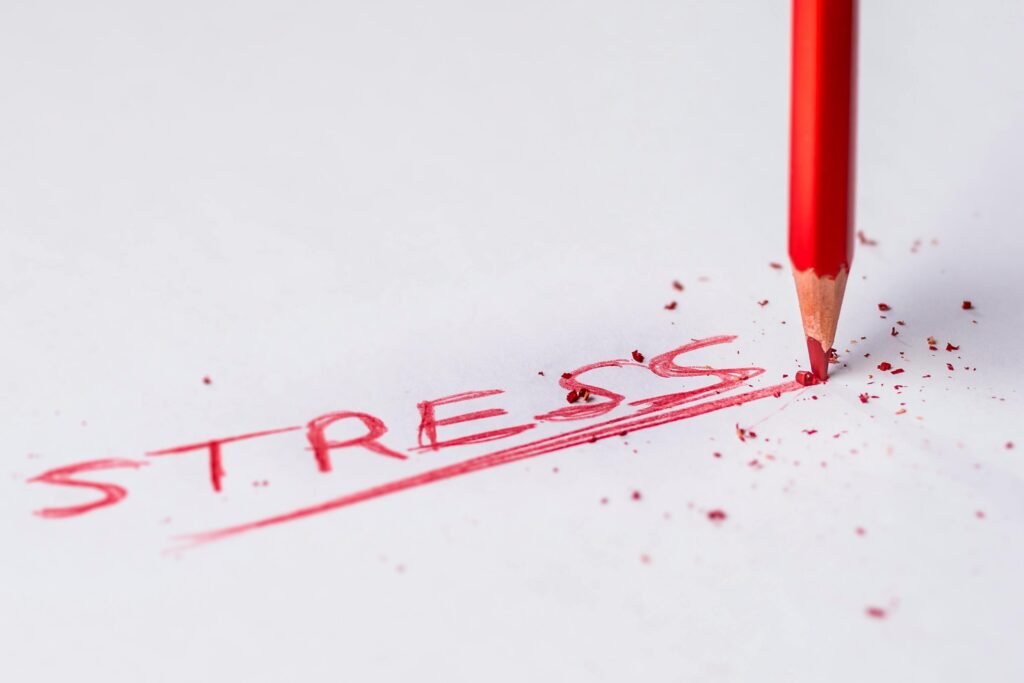
“Ever felt like your stress levels were skyrocketing faster than a rocket launch, and you didn’t know how to calm down? Yeah, us too.”
Anxiety is no joke. It creeps up when you least expect it, leaving you frazzled, exhausted, and unsure of where to turn for relief. But what if a humble herb called red clover could offer some solace?
In this article, we’ll explore how red clover ties into weight loss, health, and—most importantly—anxiety reduction. By the end, you’ll learn its benefits, pitfalls, tips for use, and even get a few laughable fails from my personal journey.
Table of Contents
- What Is Red Clover and Why Should You Care?
- How Does Red Clover Reduce Anxiety?
- Step-by-Step Guide to Incorporating Red Clover Into Your Routine
- Tips & Tricks for Maximizing Its Benefits
- Real-Life Examples: Success Stories Using Red Clover
- Frequently Asked Questions About Red Clover for Anxiety Reduction
Key Takeaways
- Red clover contains compounds that may help reduce anxiety naturally.
- It’s not just good for mood; red clover also supports hormonal balance during weight loss journeys.
- Overconsumption can backfire, so moderation is key!
- Success stories prove its effectiveness when used correctly.
What Is Red Clover and Why Should You Care?

Red clover (scientific name: Trifolium pratense) is a wildflower native to Europe, Asia, and North America. Often spotted dotting meadows and fields, this vibrant plant has more uses than simply decorating landscapes. For centuries, traditional healers have turned to red clover for its potential medicinal properties, including calming effects on the mind.
Why should YOU care? Well, studies suggest it might lower cortisol levels—the hormone tied to stress—and help regulate estrogen production, making it a double-whammy for managing emotional well-being while supporting a healthy metabolism.
Grumpy You: “Hold up. Too much of anything is bad, remember?”
How Does Red Clover Reduce Anxiety?
The secret lies in its bioactive compounds. Isoflavones, which are plant-based estrogens found in red clover, act as natural sedatives by interacting with brain receptors responsible for regulating emotions. Plus, red clover’s anti-inflammatory properties might indirectly assist mental clarity by reducing inflammatory markers associated with chronic stress.
Studies indicate these mechanisms promote relaxation without the grogginess caused by pharmaceuticals—a win-win for anyone seeking non-addictive support.
Step-by-Step Guide to Incorporating Red Clover Into Your Routine
Ready to give red clover a shot? Follow these steps:
- Select Your Form: Choose between teas, capsules, tinctures, or dried herbs.
- Start Small: Begin with small doses (like one cup of tea daily) to assess tolerance.
- Pick the Right Time: Consume it 30 minutes before bedtime for maximum calming effect.
- Combine With Other Relaxation Techniques: Pair red clover with meditation or light yoga for amplified results.
- Document Progress: Keep a journal tracking your mood improvements over time.

Tips & Tricks for Maximizing Its Benefits
- Don’t Overdo It: Consuming excessive amounts can lead to nausea or headaches.
- Consult Your Doctor First: Especially if you’re pregnant, breastfeeding, or taking medications.
- Pair Wisely: Avoid combining red clover with alcohol—it amplifies drowsiness.
Rant Section: My #EpicFail Moment
I once thought drinking three massive mugs of red clover tea would “boost” my results quicker. Big mistake. Cue pounding headache and an afternoon nap I never planned for. Lesson learned: Moderation matters!
Real-Life Examples: Success Stories Using Red Clover
Jane D., a busy mom of two, struggled with work-life balance until she discovered red clover. After weeks of consistent use alongside mindful practices, her insomnia improved, and she reports feeling less overwhelmed daily.
Similarly, fitness coach Mark T. noticed his clients experienced better recovery post-workout after adding red clover supplements to their routines. Their feedback? Fewer anxious thoughts and more focus during training sessions.

Frequently Asked Questions About Red Clover for Anxiety Reduction
Is red clover safe for long-term use?
While generally safe, prolonged consumption should always be discussed with a healthcare provider due to potential side effects.
Does it interact with medications?
Yes, especially blood thinners or hormone therapies. Always consult your doctor first!
How soon will I notice results?
Benefits vary per individual but typically appear within 4–6 weeks of regular use.
Conclusion
There you have it—the ins and outs of using red clover for anxiety reduction. From understanding its history to incorporating it responsibly into your wellness routine, it’s clear this little flower packs a punch.
So next time life feels overwhelming, grab a cup of red clover tea—or try capsules—and embrace serenity one sip at a time. And hey, here’s something quirky to leave you smiling:
Dandelions envy
Red clover shines bright today
Anxiety melts slow ←
Like a Tamagotchi, your mental health needs daily care. Cheers to finding yours through nature’s gifts!