“Ever woken up soaked in sweat at 3 AM and thought, ‘Is this menopause or a tropical nightmare?'” You’re not alone. Millions of women are searching for natural menopause support, and guess what—your answer might be hiding in your tea cupboard. Enter: Red Clover.
In this post, we’ll dig into why red clover is more than just a pretty flower, its role as a natural remedy during menopause, actionable steps to use it safely, and tips tailored for you. Plus, stick around for our “grumpy optimist” rants, a killer fail story, and some good ol’ nostalgia sprinkled in for fun.
Table of Contents
- Key Takeaways
- Why Menopause Feels Like Running a Marathon… Backward
- How to Use Red Clover for Natural Menopause Support
- Top Tips for Maximizing Red Clover Benefits
- Real-Life Success Stories About Red Clover
- FAQs on Natural Menopause Support
Key Takeaways
- Red clover contains isoflavones, plant compounds that mimic estrogen and can help ease symptoms like hot flashes.
- It’s crucial to consult with a healthcare provider before using herbal supplements like red clover.
- Natural remedies aren’t one-size-fits-all; they work differently for everyone.
- Red clover isn’t magic—it works best when paired with healthy lifestyle changes.
Why Menopause Feels Like Running a Marathon… Backward
Let’s face it: menopause is no picnic. From mood swings sharper than teenage angst to night sweats that feel like wrestling a humidifier, many women crave relief without resorting to synthetic hormones. And while hormone replacement therapy (HRT) exists, not everyone wants—or can tolerate—those options.
This is where red clover comes in. Packed with phytoestrogens called isoflavones, this humble legume has been used for centuries to balance hormonal chaos. But here’s the kicker—not all phytoestrogen sources are created equal, and some come with side effects. So what sets red clover apart?

Optimist You: “Just drink red clover tea, and BAM! My life will change.”
Grumpy You: “Yeah right. Nothing magical about drinking grass water unless done properly.”
How to Use Red Clover for Natural Menopause Support
- Consult Your Doctor First:
Never skip this step! Even though red clover is natural, it can interact with medications or pre-existing conditions.
- Select Quality Supplements/Tinctures:
Ensure your product uses standardized extracts containing at least 40mg of isoflavones per serving. Don’t fall for gimmicky labels screaming “all-natural” without proof.
- Incorporate It Into Daily Life:
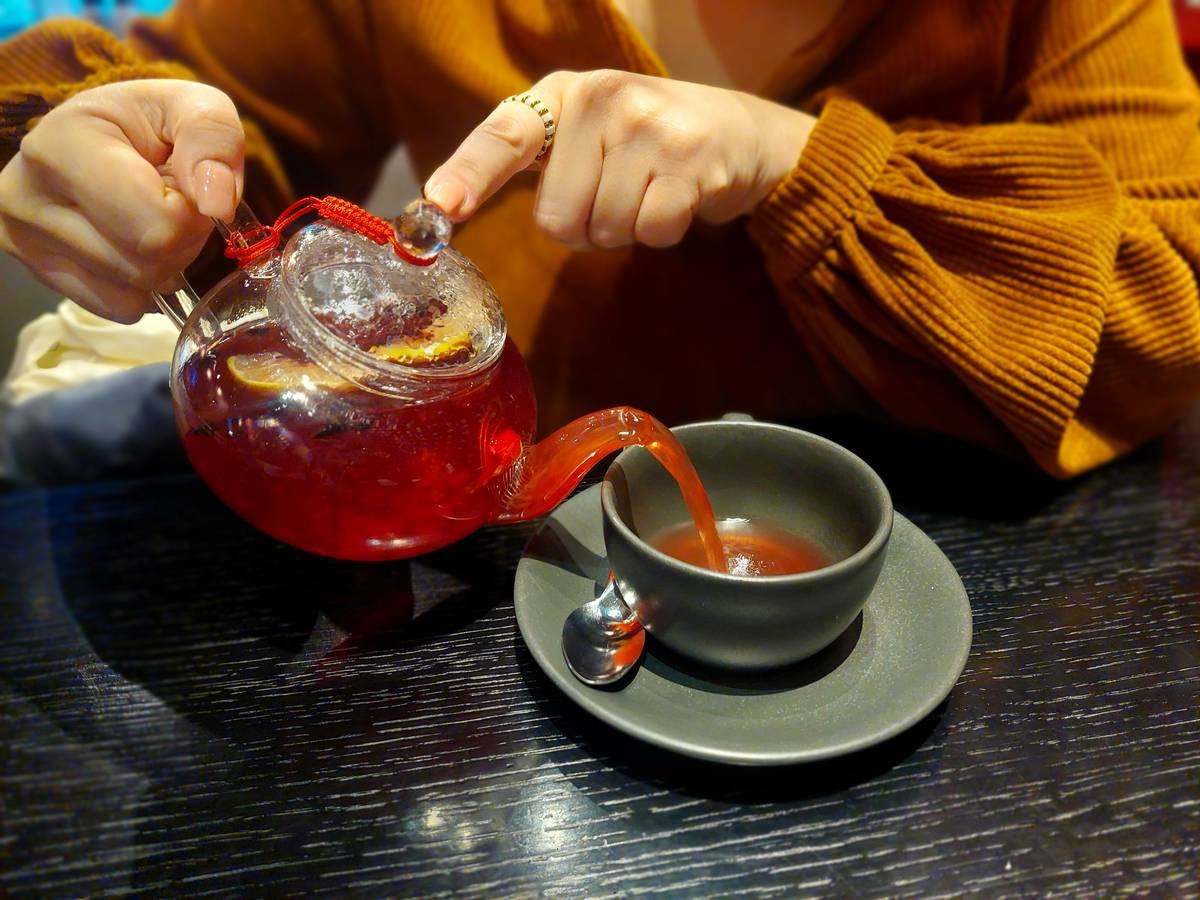
Add dried leaves to smoothies, sip red clover tea twice daily, or try capsules. Consistency is key for lasting results.
- Pace Yourself:
Start slow. A small dose lets your body adjust gradually rather than shocking your system into overload mode.
Top Tips for Maximizing Red Clover Benefits
- Combine with Other Whole Foods: Pair red clover with flaxseeds, soy foods, or other phytoestrogen-rich eats for an extra boost.
- Avoid Overdoing It: Too much isoflavone intake may disrupt thyroid function. Stick to recommended doses (typically 40–80 mg/day).
- Stay Hydrated: Dehydration worsens hot flashes and headaches—two things you don’t need doubled-up during menopause!
- Track Symptoms: Keep a journal detailing your experience. It helps identify patterns and tweak usage accordingly.
Real-Life Success Stories About Red Clover
“I was skeptical,” admits Sarah, a 52-year-old teacher from Ohio. “But after three months of taking red clover supplements alongside yoga, my nighttime sweats almost disappeared!” Sound familiar? Sarah isn’t alone. Research shows that participants using red clover reported up to 82% fewer hot flashes compared to placebo groups.
Here’s another story—with a twist: “I once bought cheap red clover powder online,” confesses Jen, a nurse practitioner. “Turns out, it was mostly filler dust. Zero impact. Lesson learned: quality matters!”
FAQs on Natural Menopause Support
- Q: Is red clover safe for long-term use?
- A: Moderate use appears safe, but prolonged consumption needs supervision by a medical professional.
- Q: Can I take red clover if I’m pregnant or breastfeeding?
- A: Absolutely not. Pregnant/breastfeeding women should avoid phytoestrogenic herbs entirely due to potential risks.
- Q: Does red clover cure menopause?
- A:* Heavily sarcastic sigh * No herb “cures” menopause—it’s a natural biological process. However, red clover alleviates nasty symptoms.
Conclusion
So there you have it: Red clover offers promising support for navigating menopause naturally—but only when approached intelligently. Remember, consistency beats quick fixes every time. Whether sipped as tea or taken in capsule form, let red clover become your ally—not your crutch.
Like a Tamagotchi, your journey toward natural menopause support requires daily care: patience, consistency, and maybe even a dash of humor along the way.