“Ever tried every herbal tea and supplement in the world, only to feel like your hormones are still throwing a tantrum?” Welcome to midlife. Here’s how red clover can help you reclaim balance during menopause.
You’ve probably heard whispers about “natural remedies” for menopause symptoms—hot flashes, mood swings, sleepless nights—but what if one little plant could actually back up the hype? In this guide, we’ll dive deep into menopause hormone support, focusing on red clover’s role as a powerful yet underappreciated ally. By the end of this post, you’ll know why red clover might just be your new favorite wellness sidekick, plus actionable tips to incorporate it into your routine (spoiler: coffee’s involved).
Table of Contents
- The Science Behind Menopause Hormones
- Red Clover for Menopause Support: Is It Worth the Hype?
- How to Use Red Clover Effectively
- Best Practices for Red Clover Intake
- Real-Life Stories from Women Using Red Clover
- FAQs About Red Clover and Menopause
Key Takeaways
- Red clover contains phytoestrogens that mimic estrogen, offering potential menopause hormone support.
- Incorporating red clover into your diet is easy through teas, supplements, or food sources.
- Beware of overconsumption risks; always consult a healthcare provider before adding supplements.
The Science Behind Menopause Hormones
Let’s talk hormones—or more accurately, their dramatic exit during menopause. Your ovaries start producing less estrogen and progesterone around age 45-55, which disrupts everything from body temperature regulation (hello, hot flashes) to emotional stability (“Why am I crying over a dog commercial?!”).
This hormonal shift isn’t just inconvenient—it can also affect bone density, heart health, and even cognition. Enter red clover (*Trifolium pratense*), a humble wildflower packed with compounds called phytoestrogens. These plant-based chemicals act similarly to human estrogen, potentially easing some of menopause’s harsher effects. But don’t take our word for it—let’s break down the science.
Red Clover for Menopause Support: Is It Worth the Hype?
I’ll admit, the first time someone suggested I try red clover tea for my menopausal symptoms, I rolled my eyes so hard they almost got stuck. But then…I had nothing left to lose after another sleepless night. So here’s where things get interesting.
Studies show that red clover’s phytoestrogens bind to receptors in your body, mimicking estrogen without flooding your system like hormone replacement therapy (HRT). For example:
- A 2017 review found that women taking red clover extract reported fewer hot flashes compared to placebo groups.
- Another study highlighted improved bone mineral density among postmenopausal women using red clover long-term.
But wait! Not all red clover products are created equal. Some brands market extracts claiming insane results while delivering barely measurable doses. Buyer beware.
How to Use Red Clover Effectively
If you’re ready to jump on the red clover bandwagon, let’s talk logistics:
Step 1: Choose Your Form
Optimist You: “These capsules sound super convenient!”
Grumpy You: “Ugh, swallowing pills feels ancient AF.”
Good news—you’ve got options:
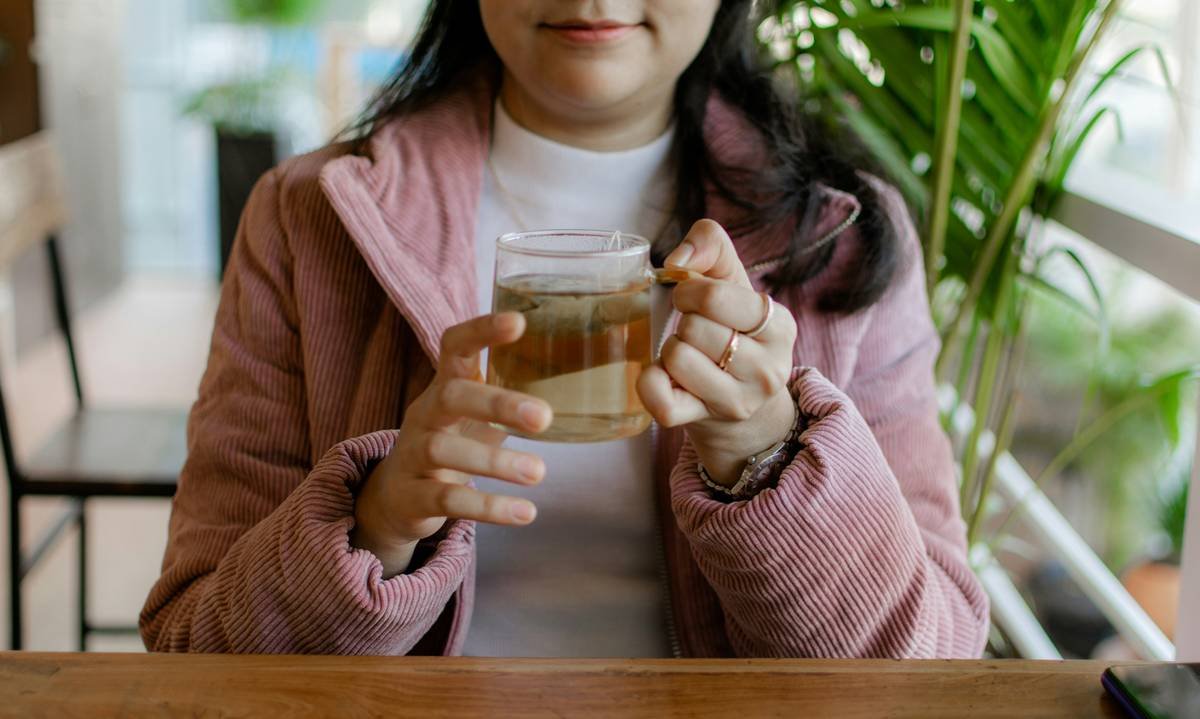
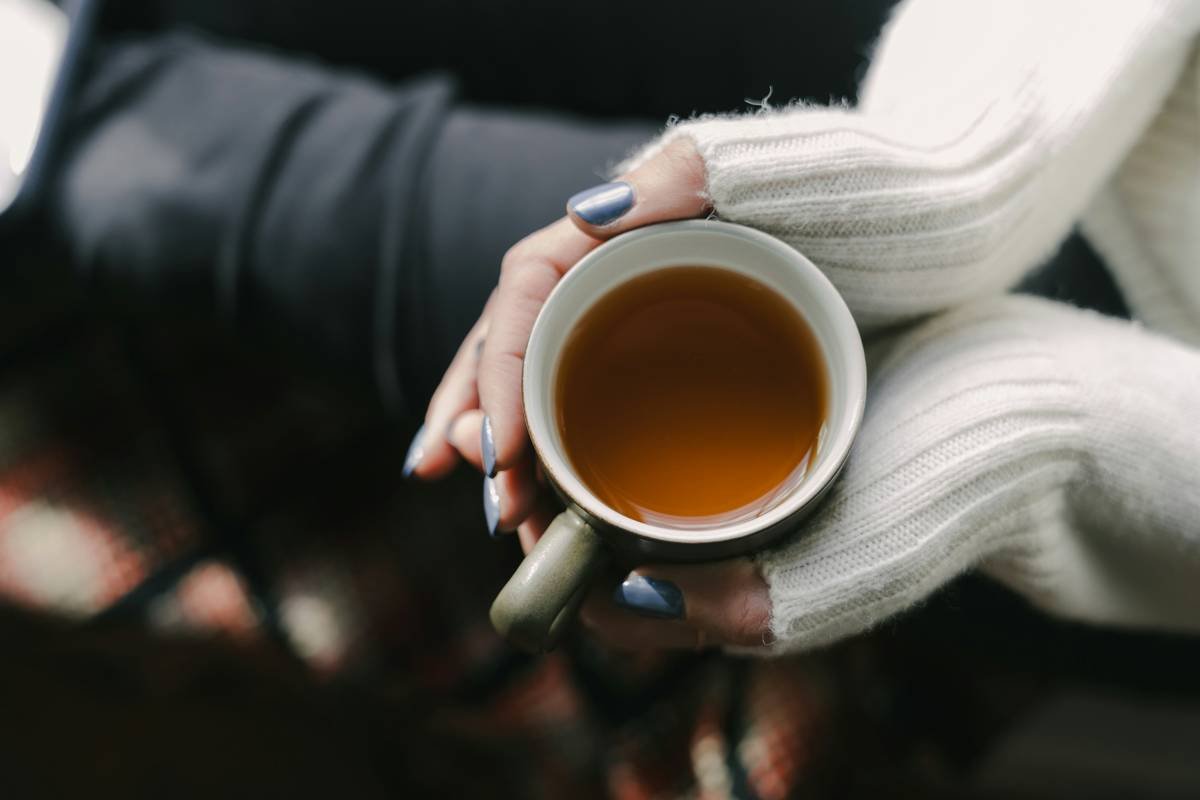
- Tea: A warm mug of red clover tea adds hydration AND relaxation benefits.
- Capsules/Supplements: Easy but ensure they meet quality standards (look for third-party testing).
- Tinctures: Mixable liquid form ideal for smoothie fans.
Step 2: Incorporate Gradually
Start small—a cup of tea daily or half a capsule dosage—to see how your body reacts. Remember, Rome wasn’t built in a day, and neither will your hormonal harmony.
Step 3: Pair Wisely
Combine red clover with other hormone-friendly habits, like exercise, stress management, and a nutrient-rich diet. Just saying no to processed junk helps too.
Best Practices for Red Clover Intake
Sure, red clover sounds magical, but even unicorns have rules. Follow these best practices:
- Consult Your Doctor First: Red clover interacts with certain medications, especially blood thinners and hormone therapies.
- Avoid Overdose: Too much may increase clotting risk or worsen hormone-related cancers (yikes!). Stick to recommended dosages.
- Prioritize Quality: Look for organic, non-GMO supplements verified by reputable organizations.
Real-Life Stories from Women Using Red Clover
Jane L., a 54-year-old yoga teacher, recounts her journey:
“At first, I thought drinking red clover tea was silly. But within weeks, my vicious 3 AM sweats decreased, and I slept for six consecutive hours. SIX HOURS!”
Then there’s Lisa R., who tried multiple supplements before finding success with red clover capsules:
“It wasn’t overnight magic, but combined with better self-care, I noticed improvements in mood and energy levels. My joints hurt less too!”
FAQs About Red Clover and Menopause
Is red clover safe for everyone?
Nope. Pregnant women, those undergoing cancer treatments, or individuals with clotting disorders should avoid it unless cleared by a doctor.
Does red clover work instantly?
Honestly? No. Hormonal changes take time, so patience is key.
Can I grow my own red clover?
Absolutely! Bonus points if you dry and steep it yourself for an ultra-fresh brew.
In Conclusion
So, does red clover deliver on its promise of menopause hormone support? Absolutely, but consistency is crucial. From reducing hot flashes to enhancing overall well-being, this tiny flower deserves its spotlight (and maybe yours too). Try incorporating it thoughtfully, monitor your progress, and remember—your body’s worth the investment.
*Like a Tamagotchi, your hormones need daily care—and red clover might just be part of the solution.* 🌱💬